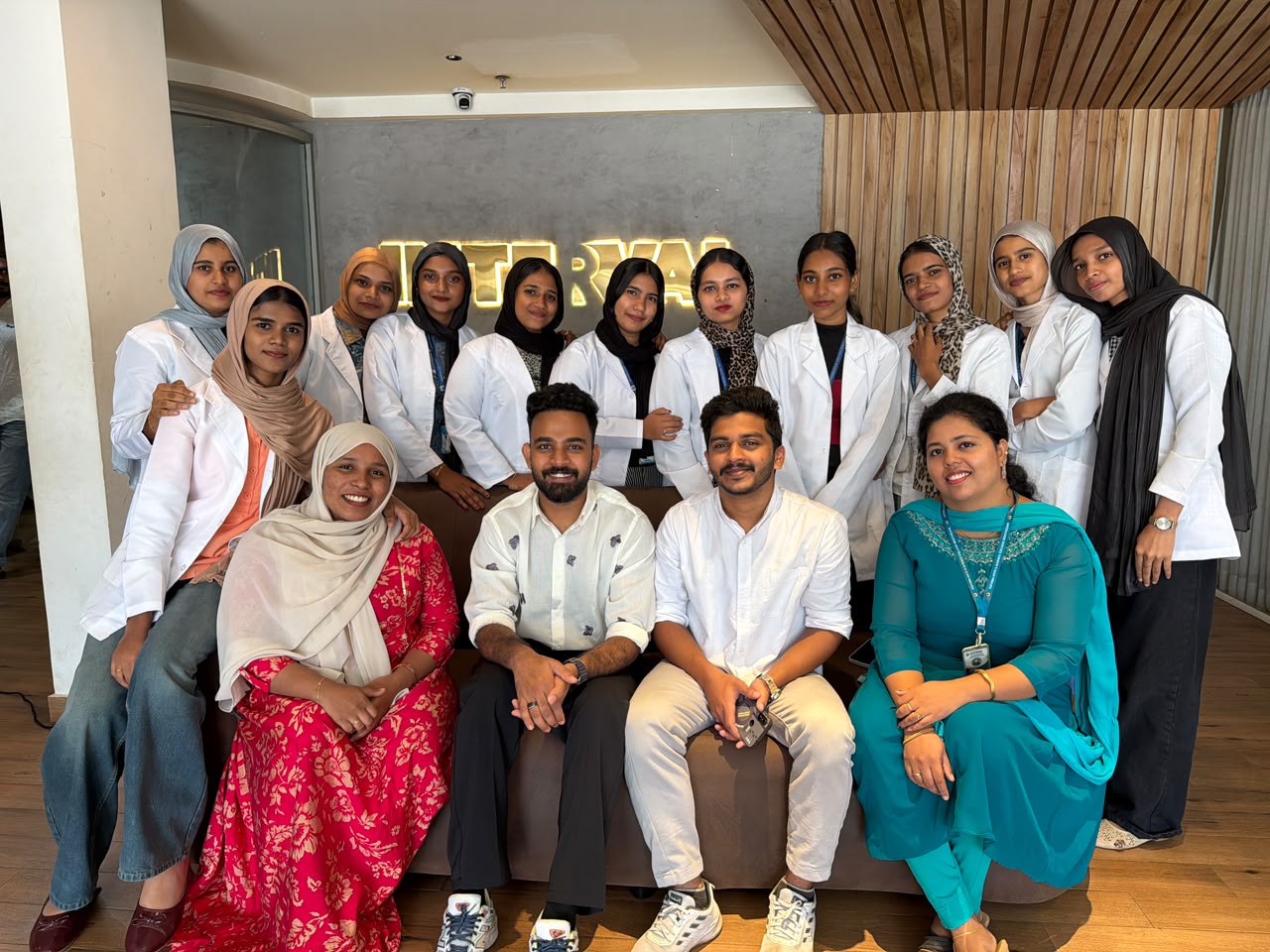
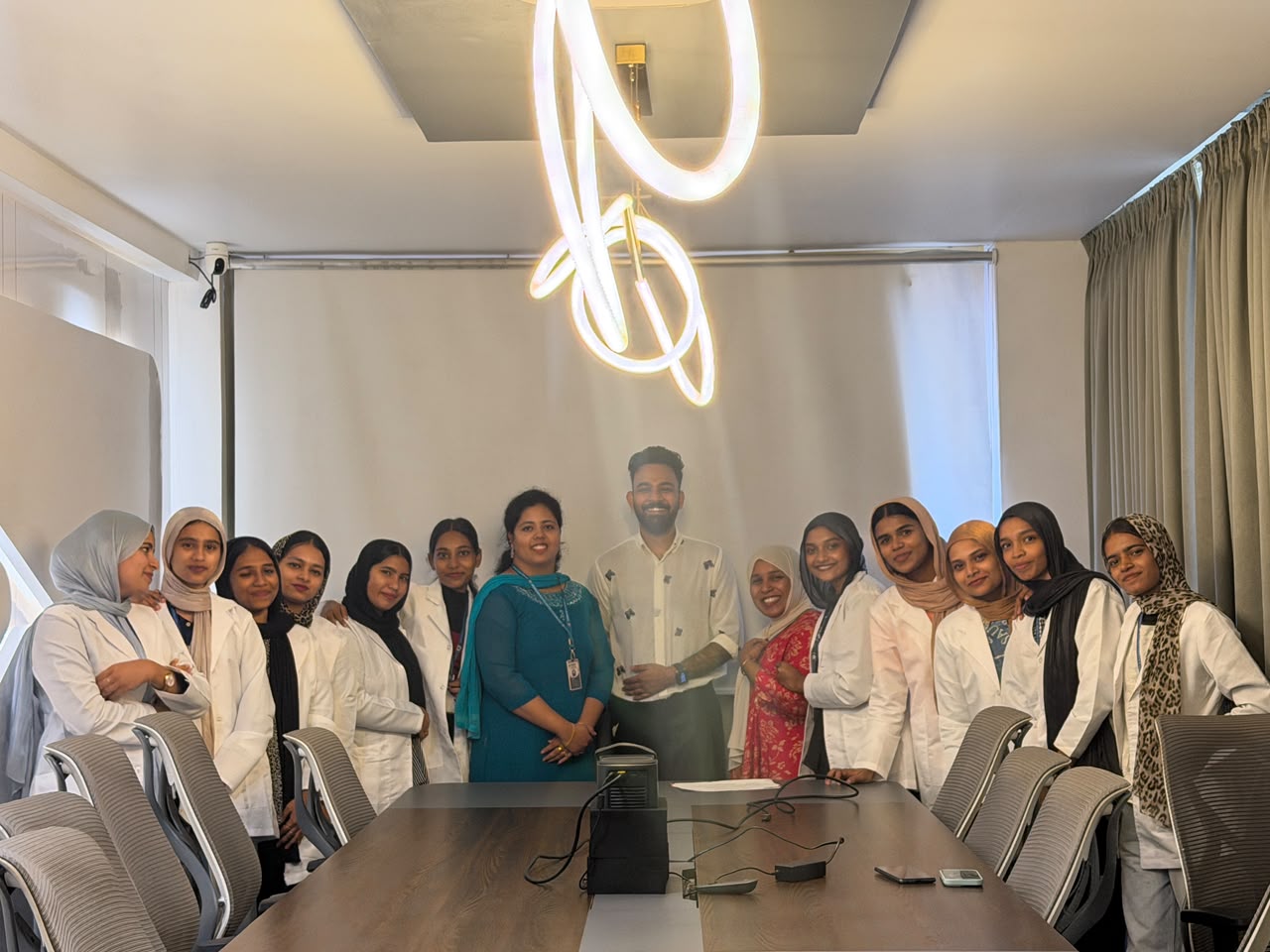
The Department of Psychology, Fathima Arts and Science College, Moothedam, organised an Organisational Visit and Positive Psychology Training Programme at Interval Learning Education Center, Areekode, on 18 September 2026. The programme was organised to provide students with practical exposure to organisational functioning, entrepreneurship, human resource practices, employee assessment, and training programmes.
The visit provided an opportunity for students to connect their theoretical knowledge in Organisational Behaviour and Psychology with practical experiences from the organisational setting.
Objectives of the Visit
The major objectives of the organisational visit were:
* To familiarise students with the structure and functioning of an organisation.
* To understand the roles and responsibilities of different organisational personnel.
* To gain practical knowledge about Human Resource Management.
* To understand how a start-up is established and developed.
* To learn about employee assessment and training programmes.
* To develop students’ understanding of organisational behaviour in real-world settings.
* To provide exposure to professional skills and workplace practices.
The first session was handled by Mr. Abdul Muswavir, HR Officer, who provided an overview of the organisation and its functioning. He explained the organisation profile, structure, departments, roles and responsibilities, and major activities of the organisation.
The session helped students understand how different departments coordinate with one another and how Human Resource Management contributes to the effective functioning of an organisation. Students also gained insights into workplace practices and the importance of effective communication and teamwork.
The second session was conducted by Mr. Shibily Ameen, Co-founder & CEO of Magic Lamps. He shared his experiences and insights into how a start-up was initiated and developed.
The session focused on the journey of starting a business, identifying opportunities, developing an idea, overcoming challenges, and transforming an idea into an organisational venture. His interaction provided students with practical insights into entrepreneurship, leadership, innovation, risk-taking, and organisational development.
The session was particularly useful in helping students understand the realities involved in establishing and managing a start-up.
The third session was handled by Ms. Fathima Niya, Chief Sales Officer, who discussed assessment and training programmes conducted within organisations.
She explained the importance of assessing employees and identifying their strengths, skills, and areas requiring development. The session also highlighted the role of training programmes in improving employee performance, professional skills, productivity, and organisational effectiveness.
Students gained an understanding of how systematic assessment and training can contribute to employee development and organisational growth.
Student Participation
The students actively participated in the sessions and interactions with the resource persons. They listened to the presentations, asked questions, and engaged in discussions related to organisational functioning, entrepreneurship, Human Resource Management, assessment, and training.
The interactive nature of the programme helped students gain a better understanding of the practical application of concepts that they learn as part of their academic curriculum.
Learning Outcomes
The organisational visit enabled students to:
* Understand the basic profile and functioning of an organisation.
* Gain practical exposure to Human Resource Management.
* Understand the journey and challenges involved in starting a business.
* Develop awareness about entrepreneurship and leadership.
* Understand employee assessment practices.
* Learn about the importance of training and employee development.
* Relate theoretical concepts of Organisational Behaviour to real workplace situations.
* Develop professional awareness and communication skills.